

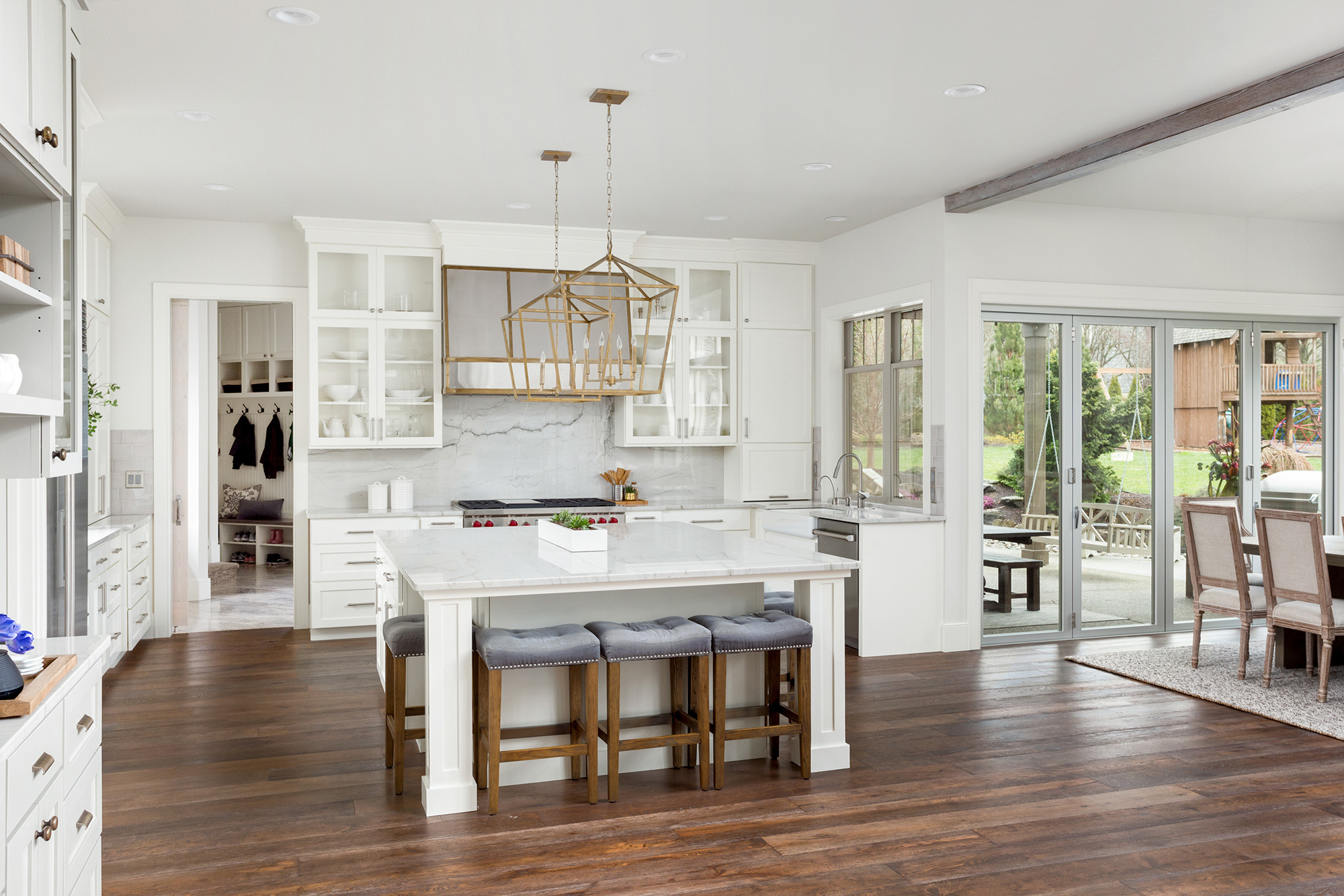
How to Choose Vinyl Flooring for a Busy Family Home in Kailua-Kona
A family home needs flooring that works just as well during an ordinary weekday as it does when relatives visit or friends gather for a meal. From children moving between rooms to pets settling near the sofa, everyday activities place different demands on a floor. In Kailua-Kona, where outdoor adventures can bring sand and moisture back into the house, choosing a suitable flooring material also means thinking about cleaning, durability, and the way rooms connect.
Vinyl flooring is an option worth exploring for households that want the appearance of wood alongside practical maintenance features. Modern vinyl products are available in a wide selection of plank styles, colors, and textures, making it possible to coordinate floors with contemporary, traditional, or island-inspired interiors. Yet products vary considerably, and the right choice depends on more than the appearance of a sample.
FLOOR COVERINGS HAWAII LLC helps homeowners explore flooring possibilities for their spaces. Understanding the differences between vinyl products, planning for the home's daily routine, and preparing the subfloor correctly can help you make a more informed decision.
Begin With the Needs of Your Household
Before comparing colors and plank sizes, consider how your household uses its rooms. A family with young children may prioritize straightforward cleaning after meals and playtime. Pet owners may focus on everyday scratches, tracked-in dirt, and occasional accidents. Households that regularly entertain guests may want a consistent surface across the kitchen, dining room, and main living area.
Make a list of the spaces where flooring experiences the most activity. Entrances, hallways, kitchens, and routes between bedrooms and living areas often see frequent foot traffic. Rooms beside exterior doors may also collect more grit and moisture than rooms deeper inside the home.
Think about furniture as well. Dining chairs move repeatedly, office chairs may roll across the same section every day, and heavy sofas can concentrate weight in a small area. The product’s specifications, installation method, and appropriate furniture protection all matter when choosing a floor for these conditions.
This practical assessment helps narrow the options before you begin comparing visual details. Rather than selecting the floor that looks best in a showroom alone, focus on products that fit both the household's design preferences and its everyday needs.
Understand What Different Vinyl Products Offer
Vinyl flooring is available in different formats and constructions, including plank-style products designed to resemble hardwood. Some use flexible construction, while others feature a more rigid core. Installation systems, thickness, surface protection, and suitability for particular rooms vary by product.
Luxury vinyl plank is popular with homeowners who like the look of wood but prefer an alternative to natural timber. Its decorative layer can reproduce wood grain, knots, tonal variation, and other details. Some products also use embossed textures to create a more tactile surface.
Rigid-core products may offer specific advantages for certain installations, but a rigid core does not automatically make every product suitable for every subfloor or environment. Flatness requirements, expansion clearances, moisture testing, and installation methods must still follow the manufacturer's instructions.
When comparing products, look at the full specification rather than relying on a single feature. Ask about the wear layer, intended application, warranty terms, installation requirements, and approved cleaning methods. These details will provide a clearer picture of whether the product suits your household.
Choose a Color That Works With Everyday Life
Color affects how a room feels, how furniture stands out, and how easily different finishes work together. Light oak-inspired shades can create an open, relaxed appearance and complement white cabinetry, neutral upholstery, and natural decorative materials. Warm medium-brown tones can add depth without making the room feel overly dark. More pronounced wood patterns can introduce visual character into spaces with simple walls and furniture.
There is no single color that is best for every family. A pale floor may brighten a room, but its ability to conceal dust depends on the specific shade and pattern. A dark floor can create a dramatic contrast, yet some dark finishes may make light-colored dust or fine debris more noticeable. Grain variation, surface sheen, and lighting all influence how a floor looks between cleaning sessions.
Bring samples home and view them in the rooms where they will be installed. Compare them with the kitchen cabinets, wall paint, countertops, curtains, and furniture. Observe the colors during daylight and in the evening under your usual lights. Natural and artificial lighting can change the apparent warmth of a finish.
For connected spaces, try to keep the overall palette consistent. A floor that complements the kitchen should also work with the living and dining areas if you intend to use the same material throughout. This approach can help an open layout feel cohesive without requiring every piece of furniture to match.
Look for the Right Level of Surface Protection
The wear layer is one specification to consider when comparing vinyl flooring. It forms part of the surface protection system and helps the floor withstand everyday abrasion. The suitable wear-layer specification depends on the product and its intended use, so compare manufacturer guidance rather than assuming that a single measurement guarantees performance.
Families should also think about the types of damage most likely to occur. Sand and grit may contribute to surface wear, while sharp objects can leave marks. Heavy furniture can cause indentation in some products, and dragging an appliance may damage the surface or joints. Protective pads, appropriate furniture-moving techniques, and regular debris removal remain important regardless of the selected product.
Ask the supplier to explain what the product warranty covers and what it excludes. Residential warranties may have specific conditions involving furniture protection, cleaning products, excessive moisture, installation, or temperature. Understanding these conditions before purchasing can help prevent misunderstandings later.
Remember that durability is not the same as immunity to damage. Even a product designed for busy households needs suitable installation and reasonable care. Choosing a floor that matches your household's activity level is more useful than expecting any material to withstand every possible situation.
Water Resistance Is Useful, but Moisture Still Matters
Many vinyl floors are designed to resist water at the surface, and some products are marketed as waterproof. This can be valuable in areas where spills and damp footwear are common. However, the product's water-related claims should be interpreted within the limits of its installation instructions.
Water can travel through gaps, edges, transitions, or openings around fixtures. Moisture beneath the floor can also affect the subfloor or installation, even when the visible flooring surface resists water. A leaking appliance, plumbing problem, or water intrusion event should be addressed promptly rather than left for the flooring to manage.
Concrete subfloors require particular attention. A slab can appear dry while still having moisture conditions that affect flooring. Follow the product's testing requirements and use the specified moisture-control measures where needed. Never assume that a waterproof vinyl surface eliminates the need to assess the slab.
For bathrooms, laundry rooms, and other areas that experience recurring moisture, confirm that the chosen product is approved for that exact application. Details around tubs, showers, plumbing fixtures, and drains may require additional waterproofing systems. Interior vinyl should not be used outdoors unless the manufacturer specifically approves it for the exposure.
Make Daily Cleaning Simple and Consistent
One of the advantages many households seek in vinyl flooring is a manageable cleaning routine. Frequent sweeping or vacuuming helps remove dust, crumbs, and grit before they spread throughout the home. Use a vacuum setting or attachment suitable for hard surfaces, and avoid tools that could scratch the floor.
For routine cleaning, follow the manufacturer's recommendations for damp mopping and approved cleaning solutions. Use only the amount of moisture needed and avoid leaving standing water on the surface. Clean up spills when they happen, particularly around sinks, refrigerators, pet bowls, and dining areas.
Avoid assuming that more intensive cleaning produces better results. Abrasive powders, harsh solvents, waxes, and steam cleaners may be unsuitable for certain vinyl finishes. A cleaner that works on one flooring product may damage another. Keep the manufacturer's care instructions accessible so family members and anyone helping with cleaning know which methods to use.
Place doormats at frequently used entrances and establish a convenient place for sandy footwear. Mats can help capture debris, but they should be suitable for the flooring and kept clean. Use protective pads under furniture legs and check them periodically for trapped grit.
Think About Plank Direction and Room Layout
The way vinyl planks are arranged can influence the appearance of a room. Running planks along the longest visual axis may emphasize the length of a space, while consistent direction across connected rooms can create a sense of continuity. The best arrangement depends on the floor plan, light sources, doorways, and installation requirements.
Before installation, discuss how the flooring will meet adjoining surfaces. Doorways, closets, kitchen islands, fixed cabinets, and changes in floor height should be considered in advance. Transition strips may be required between different materials or where the product instructions specify them.
Floating vinyl floors generally require appropriate expansion clearances around the perimeter and certain fixed objects. These clearances should not be ignored or filled in a way that prevents the floor from moving as intended. Installation details matter because even a visually appealing product can perform poorly if it is installed incorrectly.
Plan furniture placement with the finished layout in mind. Large rugs, dining tables, and sofas can affect how much of the floor remains visible. Bringing together flooring samples and key furniture finishes before purchasing can help you avoid choosing a product that looks different from what you imagined.
Prepare for Sunlight and Temperature Changes
Large windows and sliding glass doors can bring natural light into a home, but direct sunlight may also expose flooring to heat. Vinyl products differ in their tolerance for temperature changes and solar exposure. Some installations have specific restrictions concerning strong direct sunlight, indoor temperatures, or nearby heat sources.
Check these limits before selecting a product for a bright living room or a space that receives intense afternoon sun. Suitable window coverings may help moderate exposure, but they do not replace the manufacturer's requirements. Ask whether the flooring is approved for the room's expected conditions and how it should be installed around exterior doors.
Temperature considerations also matter during storage and installation. Follow the instructions for transporting, storing, and preparing the flooring. Do not assume that all vinyl products have identical acclimation requirements; the instructions for the exact product should guide the process.
Explore Vinyl Flooring for Your Family Home
The right floor should complement your interior while fitting the way your family lives. Consider the household's traffic patterns, the rooms that experience the most moisture, the time available for maintenance, and the visual style you want to create. A careful comparison of product specifications and installation requirements can help you narrow your choices confidently.
Browse the options on the vinyl flooring page to explore styles that may suit your home. If you are also comparing natural wood for selected rooms, visit the hardwood flooring page to consider the different appearance and care requirements.
For questions about your flooring project in Kailua-Kona, contact FLOOR COVERINGS HAWAII LLC through the contact page. Discussing the room conditions, subfloor, household needs, and preferred style can help you identify a product that makes sense for your home.
With the right selection and a practical care routine, vinyl flooring can provide a coordinated, welcoming foundation for the everyday moments that make a house feel like home.


