

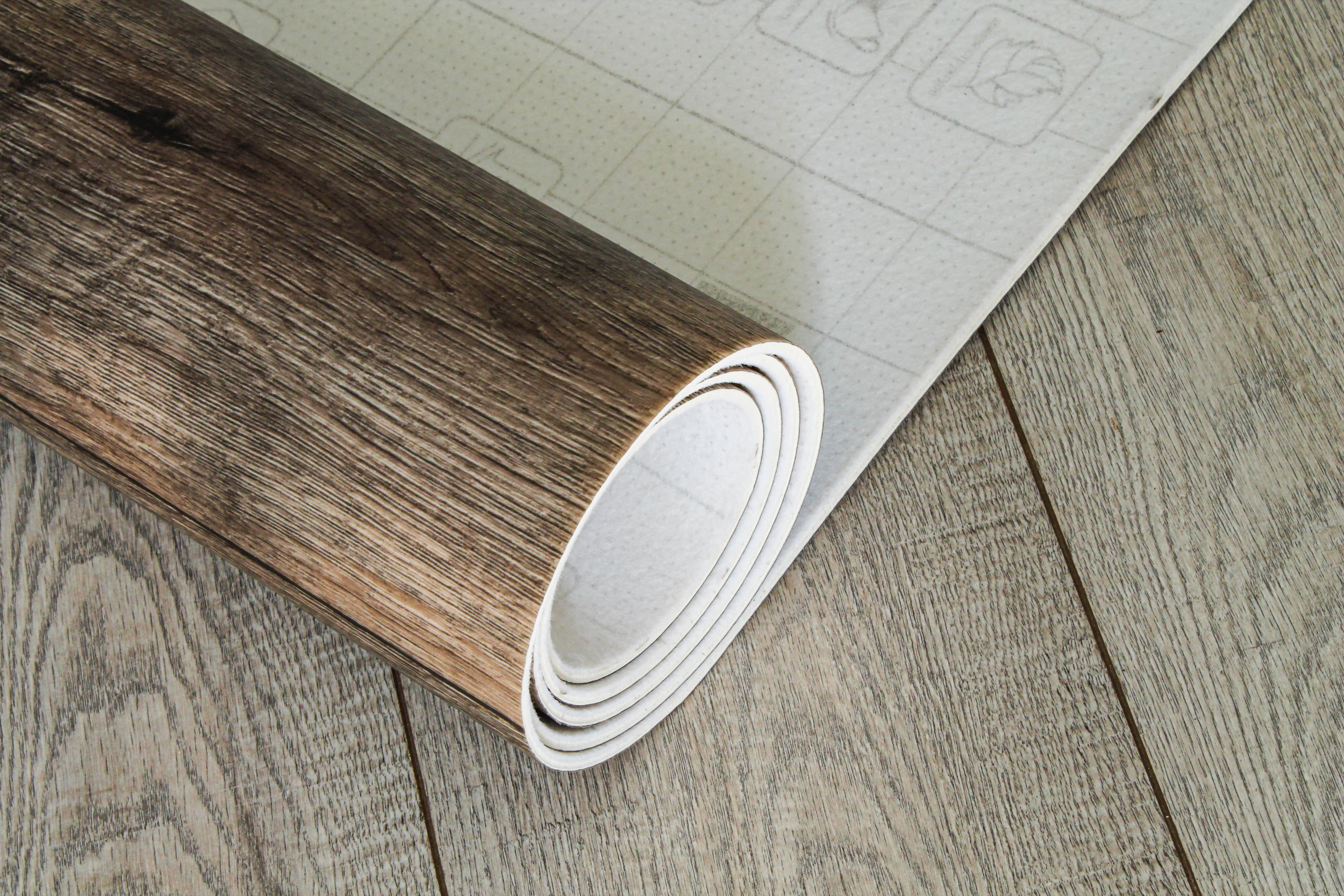
Hardwood vs. Vinyl Flooring for Vacation Rentals in Kailua-Kona
A vacation rental has to make a strong first impression while standing up to repeated use. Guests may arrive with suitcases, beach bags, sandy footwear, and different expectations about how to care for a property. Between guest checkouts, cleaning schedules, and periods of heavy occupancy, flooring needs to look welcoming without creating an unnecessarily demanding maintenance routine.
For property owners in Kailua-Kona and elsewhere on the Big Island, hardwood and vinyl are two options worth comparing. Hardwood offers the natural character of real wood, while vinyl can provide wood-inspired visuals with practical features suited to many busy interiors. Neither material is automatically right for every rental. The decision depends on the property’s design, moisture exposure, expected traffic, maintenance resources, and budget.
FLOOR COVERINGS HAWAII LLC can help homeowners explore flooring styles for renovation projects. Before making a choice, consider how the property is used, which rooms experience the most activity, and what the flooring will need to handle between guest stays.
Start With the Rental’s Daily Routine
A vacation property near popular outdoor activities may experience more sand and grit than a home used primarily for quiet indoor living. Guests may move frequently between the entrance, kitchen, living room, and outdoor areas. Suitcases can be rolled across the floor, dining chairs may be moved repeatedly, and cleaning teams may need to turn the property around quickly.
These practical details should influence the flooring decision. Consider the number of guests the property accommodates, whether families with young children are common, whether pets are permitted, and how often the property is occupied. A compact condo with moderate use may have different requirements from a larger rental with several bedrooms and an open-plan living space.
Make a list of the rooms that receive the most traffic and identify where spills, wet footwear, or tracked-in debris are most likely. This exercise can help you compare products based on real use rather than appearance alone.
What Hardwood Brings to a Rental Property
Hardwood is valued for its authentic grain, natural variation, and the sense of warmth it brings to an interior. In a carefully designed rental, it can complement quality furniture, neutral walls, and natural decorative materials. Its visual character may suit owners who want a distinctive, premium atmosphere rather than a purely utilitarian finish.
Hardwood also requires informed care. Sand and grit can scratch the finish, while standing water and unsuitable cleaning methods may damage the surface. Depending on the wood species, finish, construction, and exposure, changes in humidity can contribute to expansion, contraction, gaps, or other movement. These factors are particularly important in a property where occupants and cleaning routines change frequently.
Before selecting hardwood, confirm that the specific product is appropriate for the property’s conditions. Ask about moisture testing, subfloor preparation, installation requirements, and ongoing care. It is also worth planning how the cleaning team will protect the floor and which cleaning products are permitted by the manufacturer.
Why Vinyl Can Be Practical for Frequent Guest Turnover
Vinyl flooring offers a wide range of wood-inspired looks, including light natural tones, medium browns, and more pronounced grain patterns. It can help create a cohesive design across suitable connected rooms without requiring the property owner to choose natural wood for every space.
Many vinyl products offer waterproof or water-resistant features, and routine cleaning can be straightforward when the correct methods are followed. These characteristics may appeal to rental owners who want a floor that can be swept, spot-cleaned, and damp-mopped between stays. However, the performance of each product varies, so the product’s specifications matter.
Waterproof flooring does not protect a property against every moisture-related problem. Water can still enter at edges or transitions, and moisture beneath the flooring may damage the installation or underlying structure. Leaks should be addressed promptly, and the subfloor must be tested and prepared according to the manufacturer’s instructions.
Vinyl is not indestructible, either. Heavy furniture, sharp objects, grit, unsuitable cleaners, and excessive heat may damage some products. Owners should review the wear-layer specification, installation requirements, warranty coverage, and any limits related to sunlight or temperature before purchasing.
Compare the Costs Beyond the Purchase Price
When budgeting for a rental renovation, the price of the flooring material is only one part of the calculation. Installation, subfloor preparation, moisture testing, transitions, furniture protection, future repairs, and cleaning requirements all affect the long-term cost of ownership.
Hardwood may appeal to owners who value its natural appearance and are prepared for its maintenance needs. Some hardwood floors can be refinished, depending on their construction and remaining wear layer, which may offer a way to renew the surface. Refinishing nevertheless involves cost, downtime, and careful planning around bookings.
Vinyl may offer a more straightforward maintenance routine, but repairs depend on the product and installation system. A damaged plank may be replaceable in some installations, while other situations require more extensive work. Confirm whether spare planks can be retained and stored appropriately for future repairs. Product availability can change, so keeping the exact product name, color, and installation details on file is useful.
For a rental, also consider the cost of lost booking days if a floor needs repair. A practical maintenance plan and prompt attention to spills or leaks may help reduce disruption, regardless of which material you select.
Choose Colors That Stay Welcoming Between Stays
Flooring is a large visual surface, so its color has a significant influence on a rental’s overall atmosphere. Light natural tones can help a room feel open and relaxed, particularly when paired with white walls, warm wood furniture, and understated textiles. Medium tones can provide contrast while still working with a wide range of decor. Very dark or highly glossy finishes may show certain types of dust, grit, or surface marks more readily, depending on the product.
Texture can influence both the appearance and the visibility of everyday wear. Subtle grain variation may make a floor feel more natural and help small particles blend into the overall pattern. It should not, however, replace regular cleaning or be assumed to provide slip resistance. If a room may become wet, review the product’s actual slip-related information and its intended use.
For open-plan rentals, repeating one floor across connected spaces can make the interior feel larger and more consistent. If different materials are used in separate rooms, choose transitions that look intentional and avoid unnecessary changes in height that may create a trip hazard.
Make Cleaning Easier for Your Turnover Team
A simple cleaning process benefits both the owner and the guests. Place entry mats where they can catch sand and dirt, provide a suitable place for footwear, and make cleaning supplies available to the team responsible for the property. Use soft pads under furniture and avoid dragging chairs or luggage across the floor whenever possible.
For hardwood, follow the manufacturer’s guidance on dry cleaning, approved cleaners, and moisture control. Avoid leaving wet towels, damp beach gear, or dripping bags on the floor. For vinyl, use the cleaning products and methods recommended for the specific surface. Do not assume steam cleaning, abrasive products, or waxes are safe for every vinyl floor.
Set clear procedures for reporting leaks, spills, loose transitions, lifted edges, or visible damage. A small issue identified between stays may be easier to address than a problem discovered after moisture or traffic has caused further damage.
Check the Property’s Environmental Conditions
Before installation, consider whether the rental has air conditioning, how frequently doors remain open, and whether the property has a concrete slab or another subfloor type. Moisture conditions beneath a floor are not always visible. A suitable assessment can help identify whether additional preparation or moisture mitigation is needed.
For hardwood, follow the product’s requirements for indoor conditions and installation. For vinyl, verify its temperature limits, solar exposure guidance, and any requirements related to concrete moisture. A product that performs well in one room may not be suitable for an outdoor area or a space with a different exposure.
It is also important to remember that interior vinyl is not automatically designed for exterior use. Lanai surfaces and other outdoor areas require products that are approved for the relevant exposure and drainage conditions.
Find the Right Flooring for Your Rental
There is no universal winner between hardwood and vinyl. Hardwood can deliver the natural character some owners want, while vinyl can be a practical choice for busy interior spaces where straightforward cleaning and a wood-inspired appearance are priorities. The best decision is the one that fits the building, the guest experience, and the resources available for care.
Explore product options through the hardwood flooring page and the vinyl flooring page. When you are ready to discuss a renovation or compare flooring options for your property, reach out through the FLOOR COVERINGS HAWAII LLC contact page.
With careful planning, appropriate product selection, and clear maintenance procedures, property owners in Kailua-Kona can create a welcoming interior that is easier to care for between stays and well suited to the way their rental is used.


