

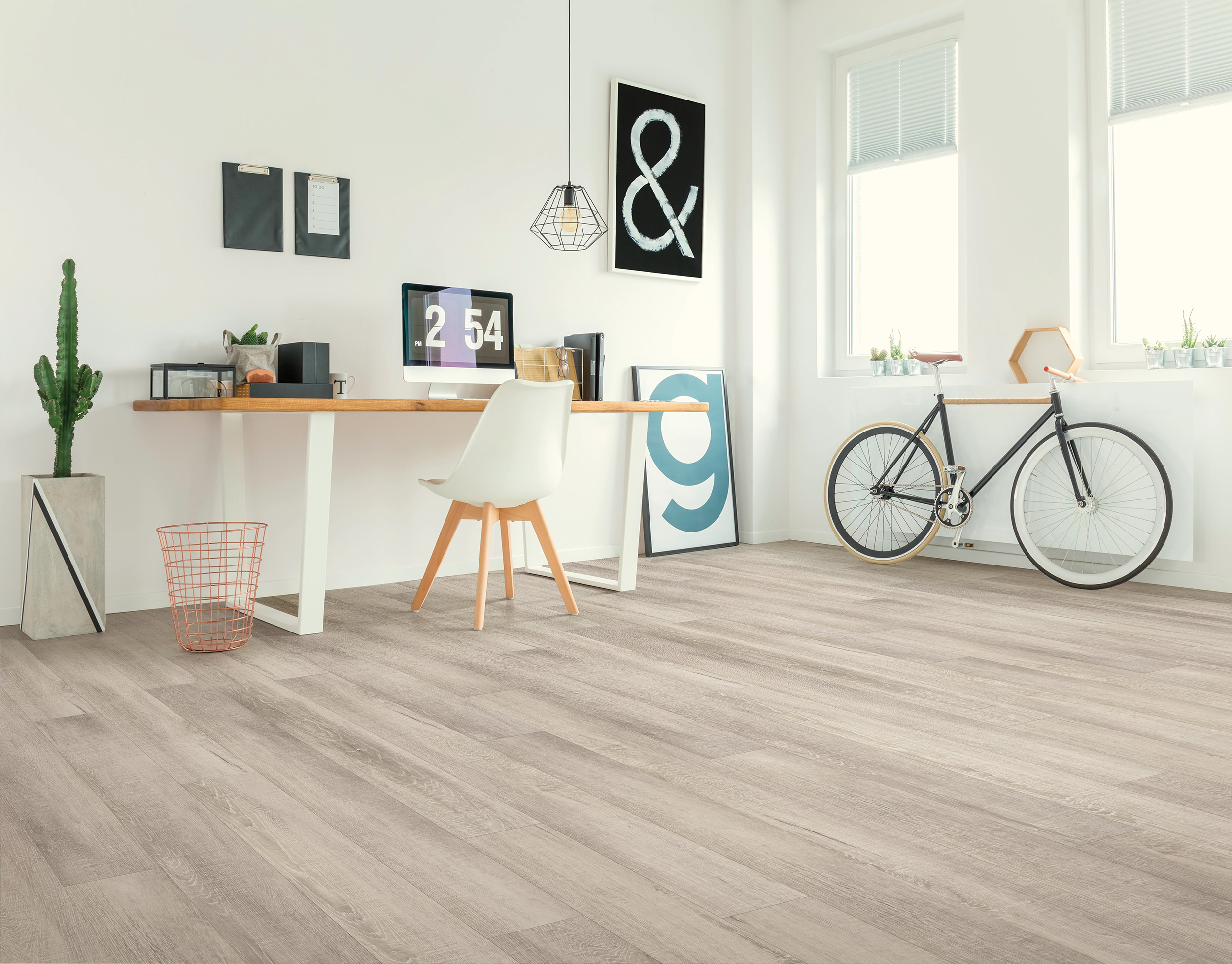
For years, vinyl flooring was often treated as the practical alternative to more traditional flooring materials. Today, that description no longer tells the whole story. Modern vinyl flooring has developed into a design category of its own, offering homeowners a combination of visual versatility, everyday practicality, and contemporary style that can work in spaces ranging from casual family rooms to carefully designed kitchens and living areas.
The biggest change is visual. Vinyl flooring can now reproduce the appearance of natural materials with a level of detail that makes the old assumptions about vinyl increasingly outdated. Wood-inspired designs can capture the variation and character people associate with timber, while other styles can create a clean, modern foundation without overwhelming the room.
For homeowners exploring flooring in Kailua-Kona, vinyl can be particularly interesting because it allows design flexibility without requiring every room to follow the same visual formula. The key is understanding what modern vinyl actually offers and selecting a product based on the needs of the room rather than outdated ideas about what vinyl flooring looks like.
Exploring the vinyl flooring collection is a useful way to begin comparing styles and considering how the material could work within a home's overall design.
Vinyl Is No Longer Just About Utility
Every flooring material has a reputation. Wood is often associated with warmth and natural beauty. Tile is associated with durability and hard surfaces. Carpet is associated with softness and comfort. Vinyl historically earned a reputation for being practical and economical.
While practicality remains one of vinyl's strengths, modern designs can also be visually sophisticated. The surface can contribute to the design rather than simply serving as a background material. That makes vinyl an option worth considering even for homeowners who previously dismissed it because they wanted a more polished interior.
The important distinction is that flooring should be judged by the actual product, not by assumptions about an entire category. Technology, construction, surface design, and available styles have changed considerably over time.
Why Wood-Look Vinyl Continues to Attract Attention
Wood-inspired vinyl is particularly useful for homeowners who love the appearance of wood but want to explore a different flooring category. The visual goal is not necessarily to imitate every characteristic of natural timber perfectly. Instead, the flooring can capture the warmth, linear movement, and organic character associated with wood while offering its own set of practical characteristics.
This can work beautifully in contemporary homes. A subtle wood-look floor can soften white cabinetry, balance modern furniture, and prevent an interior from feeling too clinical. In more traditional rooms, a warmer tone can reinforce the feeling of comfort and permanence.
One advantage of this approach is the enormous range of visual possibilities. Homeowners can explore lighter finishes for an airy appearance, richer tones for greater contrast, or more understated patterns where the flooring needs to remain quiet beneath statement furniture.
The Room Should Decide the Flooring
There is no universal flooring material that is perfect for every room. The right decision depends on how the room is used, what visual effect is desired, and how the flooring needs to interact with the rest of the interior.
Busy areas may require a flooring choice that can comfortably fit into everyday routines. Kitchens and entertaining spaces may benefit from a surface that works with the practical demands of the room. Guest rooms may allow greater emphasis on appearance because their daily traffic patterns can be different.
Instead of asking, “What is the best flooring?” a more useful question is, “What flooring makes the most sense for this room and the way we use it?” That shift can lead to much better decisions.
Small Rooms Can Benefit From the Right Flooring Pattern
Flooring has a surprising influence on perceived room size. The direction, color, pattern, and continuity of the floor can affect how the eye reads the space. In smaller rooms, a visually consistent flooring surface can reduce the number of competing lines and make the room feel more connected.
Lighter flooring can also contribute to a sense of openness, particularly when paired with light walls and natural illumination. However, homeowners should not assume that small rooms automatically require pale floors. A darker floor can create an intimate and sophisticated atmosphere when balanced with appropriate lighting and furniture.
The objective is not to follow a universal rule but to understand how flooring participates in the visual proportions of the room.
Open Floor Plans Need a Strong Visual Foundation
Open-concept interiors can be challenging because one flooring decision may influence several different functional zones. A living area, dining space, kitchen, and hallway may all share one continuous floor, which means the material needs to work with multiple styles of furniture and different activities.
Vinyl can provide a strong foundation in these situations because its range of colors and wood-inspired appearances makes it possible to create continuity without making the entire interior feel generic.
Rather than using flooring to separate every function, consider using furniture, lighting, rugs, and architectural features to define individual zones. The floor can then act as the quiet connective element that keeps the overall design cohesive.
Do Not Choose Vinyl From a Screen Alone
Online images are useful for narrowing down ideas, but flooring should ideally be evaluated in person before a final decision. Digital screens can change color perception, and photographs rarely communicate the complete scale or texture of a flooring surface.
A flooring sample viewed in a showroom also needs to be considered in relation to the homeowner's actual space. Wall colors, cabinetry, countertops, furniture, and natural light can all influence how the floor is perceived.
This is particularly important when comparing multiple neutral flooring options. Two floors that appear nearly identical in a photograph may feel dramatically different when installed across an entire room.
Neutral Does Not Have to Mean Boring
Many homeowners gravitate toward neutral flooring because they want flexibility. Neutral flooring can be a smart choice, but neutrality does not require the floor to have no personality.
Subtle grain movement, variation in tone, carefully balanced undertones, and realistic visual texture can give a neutral floor considerable depth. This allows the homeowner to introduce stronger colors through furniture, artwork, rugs, and accessories without creating a visually crowded room.
The floor becomes a foundation rather than the main event. That is often exactly what a well-designed interior needs.
Vinyl Can Help Build a More Adaptable Home
A home rarely stays visually identical for decades. Furniture gets replaced. Walls are repainted. Families change. Rooms take on new purposes. One of the advantages of selecting a versatile flooring style is that it can remain compatible with those changes.
A thoughtfully selected vinyl floor can provide that flexibility. A warm wood-inspired surface may work with contemporary furniture today and a more traditional interior later. A restrained neutral can support changing accent colors without forcing the homeowner to rethink the entire room every time the décor changes.
That adaptability is one reason flooring should be selected with the long view in mind. Instead of asking what looks fashionable right now, consider what will continue to work as the home evolves.
The Best Flooring Decision Starts With the Whole Room
Flooring is one part of an interior, but it has an unusually large visual footprint. The most successful choices consider the room as a complete composition: the architecture, lighting, furniture, walls, cabinetry, textures, and the way people actually use the space.
For homeowners in Kailua-Kona considering vinyl flooring, the process can begin with inspiration but should finish with careful comparison. Look at samples in person, consider how the flooring works with the existing interior, and think about how the space needs to function over time.
FLOOR COVERINGS HAWAII LLC can help homeowners explore the possibilities beyond the old assumptions about vinyl flooring and find a style that suits the character of their home. If you are ready to compare flooring options, discuss your rooms, or start planning a new floor in Kailua-Kona, contact FLOOR COVERINGS HAWAII LLC to take the next step toward a floor that combines the look you want with the everyday practicality your home needs.


