

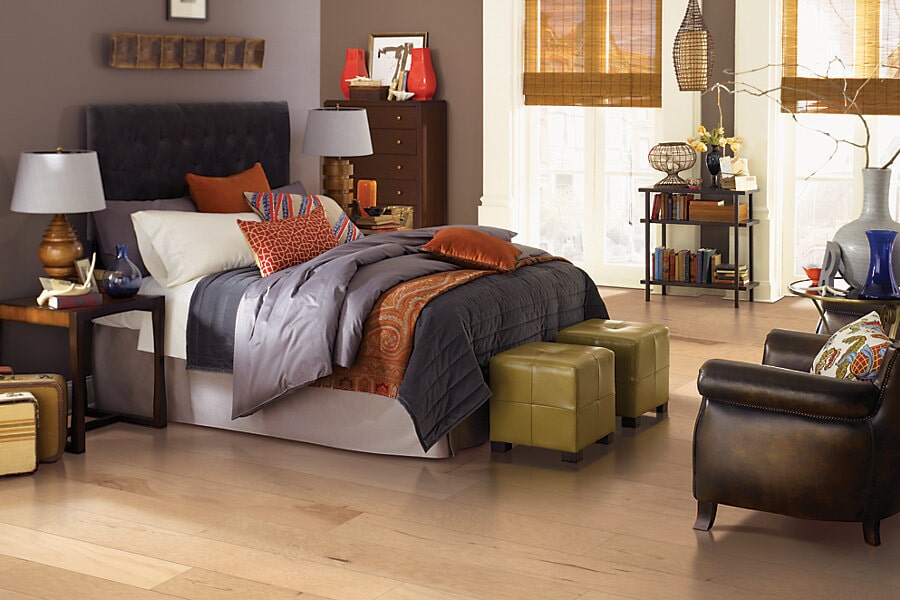
Choosing between wood and vinyl flooring can easily become a conversation about which material looks better. But flooring decisions are rarely that simple. A floor is part of the architecture, part of the interior design, and part of everyday life. The right choice depends not only on appearance but also on how a room is used, how the floor needs to interact with the rest of the home, and what kind of atmosphere the homeowner wants to create.
Wood and vinyl can both create beautiful interiors, but they do so in different ways. Wood brings the unmistakable character of a natural material, with grain, variation, and a sense of permanence. Vinyl offers remarkable visual flexibility and can reproduce wood-inspired aesthetics while giving homeowners another option for areas where practicality and design flexibility are important considerations.
For homeowners planning a flooring project in Kailua-Kona, the most useful approach is not to declare one material universally better than the other. Instead, look at the room, understand what you want from the floor, and then determine which flooring category fits those priorities.
Start With the Feeling You Want From the Room
Before comparing specifications, colors, or samples, think about atmosphere. What should the room feel like when you walk into it?
Wood can create warmth and a strong connection to natural materials. Its grain gives the floor visual movement, while the variation between boards can prevent a large surface from feeling flat. It is especially effective when the interior design relies on natural textures, understated colors, and materials that develop character over time.
Vinyl can approach a similar visual language through wood-inspired designs while offering a wider range of stylistic directions. Depending on the design selected, it can look warm and traditional, clean and contemporary, or understated and neutral.
Neither approach has to dictate the entire design. The flooring should support the atmosphere rather than overpower it.
Wood Is a Material With a Personality of Its Own
One of the defining qualities of wood flooring is that the material itself contributes to the appearance. Grain patterns, knots, tonal variation, and natural characteristics create differences from one board to another.
That variation can be part of the beauty. Instead of looking like a perfectly repeated pattern, the floor has an organic quality. It can make a newly renovated room feel less sterile and more established.
Homeowners considering wood should spend time comparing the character of different flooring styles rather than focusing only on color. Two floors with similar overall tones can create completely different impressions depending on grain, board proportions, variation, and finish.
The hardwood flooring options from FLOOR COVERINGS HAWAII LLC provide a useful starting point for homeowners who want to explore the natural character of wood and determine what direction fits their home.
Vinyl Opens Up Another Design Conversation
Vinyl is sometimes approached as though the homeowner is choosing between appearance and practicality. Modern flooring does not always require that compromise. Contemporary vinyl designs can provide attractive visual depth while offering homeowners an alternative to natural wood.
Wood-look vinyl can be especially compelling for homeowners who like the warmth of timber-inspired interiors but want to consider a different flooring category. The visual effect can be carried throughout connected rooms, allowing the flooring to establish continuity across the home.
Vinyl can also make sense when the homeowner wants a design that is easy to coordinate with a broad range of furniture. Neutral wood tones, subtle patterns, and contemporary finishes can work as flexible backdrops for changing décor.
Think About the Room Before the Product
One of the most effective ways to simplify flooring decisions is to begin with the room rather than the product. Consider traffic, furniture placement, natural light, daily routines, and the visual relationship between adjacent areas.
A room used primarily for relaxing may invite a different flooring decision from a heavily used passageway. A large open space may require a floor that can visually connect several functions, while a smaller room may allow a more distinctive flooring statement.
This approach also helps prevent the common mistake of choosing flooring because it looks attractive in isolation. A sample can be beautiful and still be wrong for the room if its color, pattern, or visual weight conflicts with everything around it.
Consider Continuity From One Room to Another
Many homes contain several spaces that are visually connected. When flooring changes dramatically from room to room, the result can sometimes feel fragmented. On the other hand, carrying one flooring style through connected spaces can create a stronger architectural flow.
Wood can be particularly effective when used as a continuous visual element. Vinyl can accomplish a similar design goal through consistent color, pattern, or plank styling.
The important thing is not necessarily to make every room identical. Instead, create relationships. A living room and dining area might share flooring while being distinguished through furniture and lighting. A hallway might use the same floor to visually lead into a bedroom or living space.
Do Not Forget the Furniture
Flooring should be selected alongside the furniture, not completely separately from it. A dramatic floor can compete with dramatic furnishings, while a quiet floor can allow statement pieces to become the focus.
Consider the color temperature of the room as well. Warm flooring can reinforce warm woods and earthy materials. A more restrained floor may create balance when cabinetry, furniture, and artwork already provide significant visual interest.
Area rugs offer another layer of flexibility. They can define seating areas, introduce color, soften transitions, and create visual zones without requiring different flooring materials throughout the home.
Natural Light Can Change the Decision
A flooring sample is only a starting point. Natural light changes throughout the day, and artificial lighting can alter how undertones appear. A floor that looks neutral under one light source may reveal warmer or cooler characteristics under another.
This matters when comparing flooring with existing cabinetry, countertops, paint, or furniture. Undertones that appear subtle in a small sample can become much more noticeable when the floor covers a large area.
Whenever possible, view samples in the context of the room. Stand back. Look at them from different angles. Consider how the floor works in both bright and subdued conditions. A few extra minutes at this stage can prevent an expensive design mismatch later.
There Is No Need to Force the Entire Home Into One Category
Homeowners sometimes feel that choosing wood or vinyl means committing to that category everywhere. That is not necessarily the case. Different rooms can have different needs, provided the transition between materials is intentional.
For example, a homeowner might prefer the natural presence of wood in a major living area while choosing vinyl in another part of the home where a different combination of visual style and practical considerations makes sense.
The key is coordination. Flooring transitions should feel deliberate rather than accidental. Similar tones, complementary textures, or consistent design language can help different flooring materials coexist naturally.
The Best Choice Is the One That Makes Sense Long After Installation
Flooring is not just about the day it is installed. It becomes part of the home and the backdrop for everyday life. That means homeowners should think beyond the excitement of selecting a beautiful sample.
Ask whether the floor will continue to suit the furniture as the interior evolves. Consider whether the color is versatile enough for future decorating changes. Think about how the room is actually used and whether the selected flooring category fits those routines.
Wood and vinyl can both produce impressive results when they are selected thoughtfully. The difference is that they offer different paths toward achieving those results.
Make the Decision About Your Home, Not About a Trend
The most satisfying flooring projects usually have one thing in common: the floor feels right for the home. It does not look as though it was selected simply because it was fashionable. It works with the architecture, furniture, lighting, lifestyle, and personality of the people living there.
That is the real comparison between wood and vinyl. Not which category wins, but which material helps the particular room achieve what the homeowner wants.
FLOOR COVERINGS HAWAII LLC can help homeowners in Kailua-Kona explore both directions and compare flooring based on the character of the space rather than a one-size-fits-all formula. Whether you are drawn to the natural character of wood or the design versatility of vinyl, contact FLOOR COVERINGS HAWAII LLC to begin exploring the flooring possibilities for your home.


